
Why New Zealand Showrooms Prefer Neutralized Prop Models for Natural Interior Aesthetics
New Zealand -"Why NZ Showrooms Prioritize Natural Aesthetic Consistency"
1. The Problem
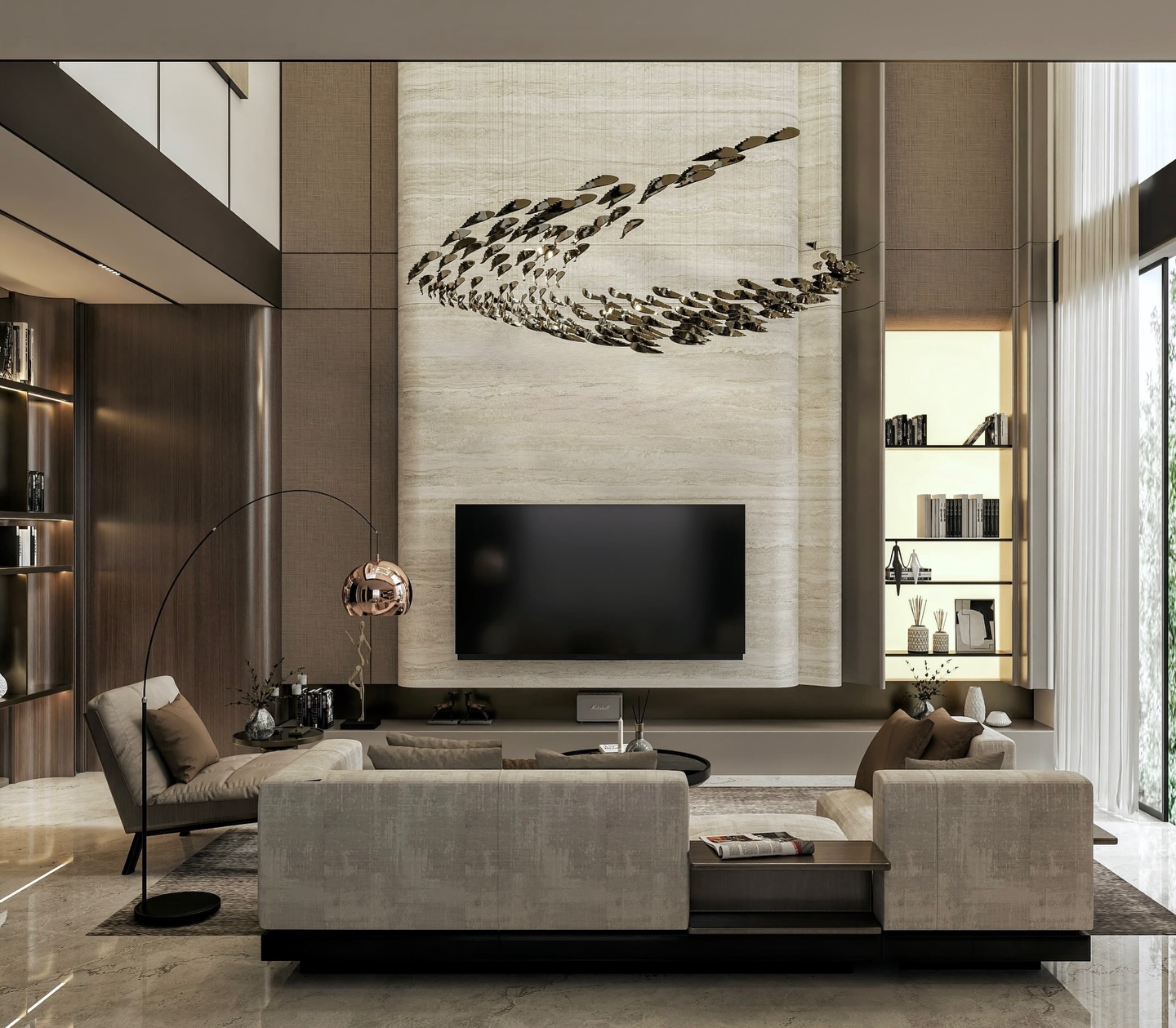
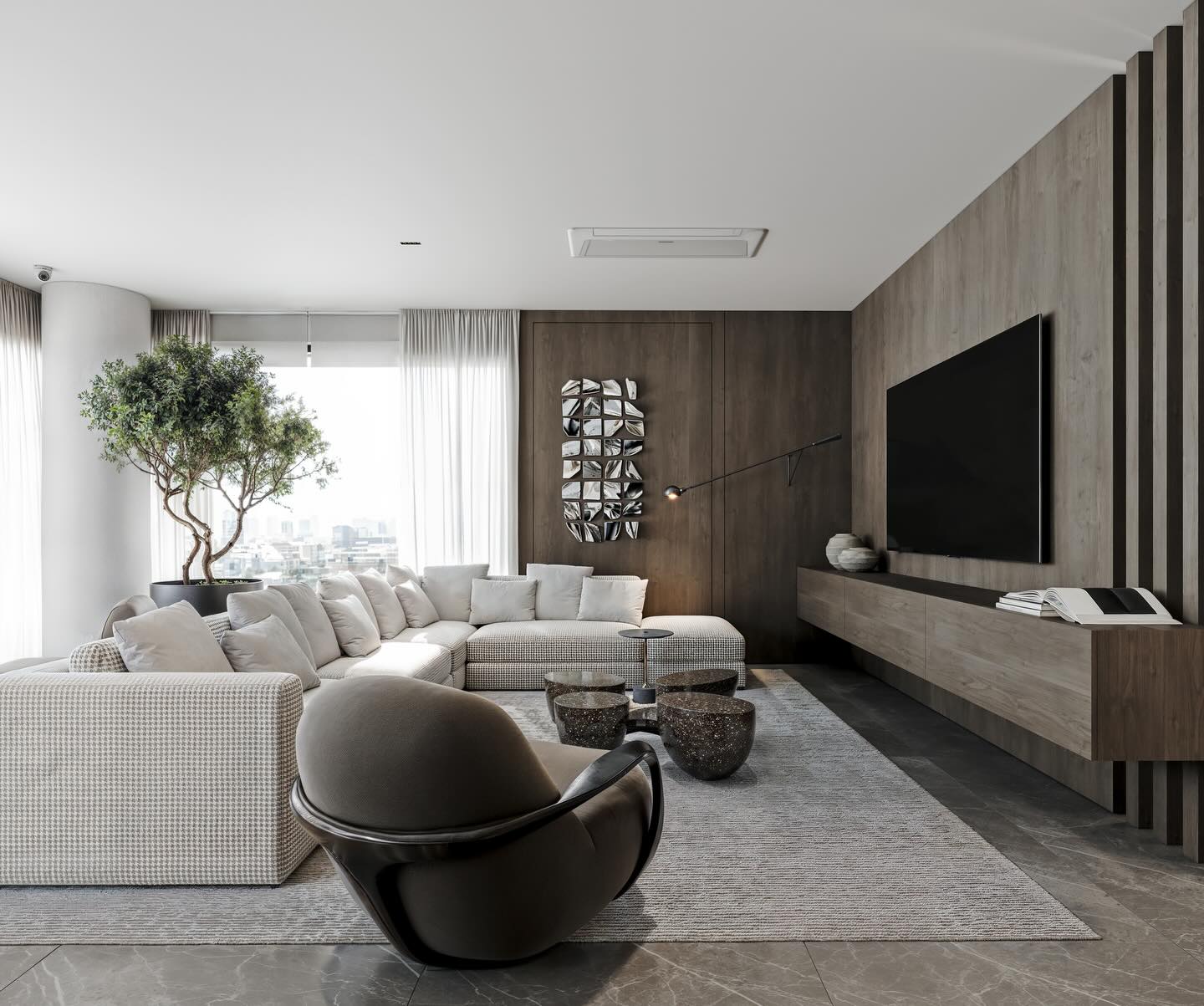
New Zealand’s interior design market emphasizes natural materials and harmonious environments. But many furniture showrooms struggle to align electronics with this aesthetic—black glossy screens disrupt the soft, natural textures commonly used.
2. Why This Happens (Industry Logic)
New Zealand design values:
-
Natural light
-
Wood and stone textures
-
Soft neutral palettes
-
Calm, open spaces
However, real electronics:
-
Reflect light harshly
-
Create visual noise
-
Break the color balance
-
Require cables and power access
Thus, electronics clash with the interior philosophy rather than supporting it.
3. The Consequences if Unresolved
If electronics disrupt the space:
-
The “NZ style” becomes diluted
-
Showroom mood loses its calming quality
Furniture appears disconnected from its environment
-
Customer perception of design professionalism declines
In New Zealand, atmosphere is a cultural value—not an accessory.
4. The Method Designers Use
To preserve harmony, NZ designers increasingly adopt a neutralized staging approach:
-
Replace reflective electronics with matte-surface display models
-
Use fixed-size dummy screens to maintain balance without visual dominance
-
Support the natural palette using soft-edge prop designs
-
Minimize the intrusion of technology so the furniture remains the focus
-
Maintain sustainability by reducing e-waste and energy usage
This method blends seamlessly into NZ’s nature-inspired design philosophy.
5. The Value Clients Gain
-
Consistent visual identity across showrooms
-
Smoother storytelling for lifestyle-themed areas
-
Reduced distractions from electronic glare
-
Lower maintenance and operational costs
-
Stronger alignment with NZ’s sustainability principles
Atmosphere becomes coherent - and that drives higher customer trust.
6. Light CTA
How do you balance technology with natural showroom design?
Have you tried neutralizing tech elements to enhance harmony?
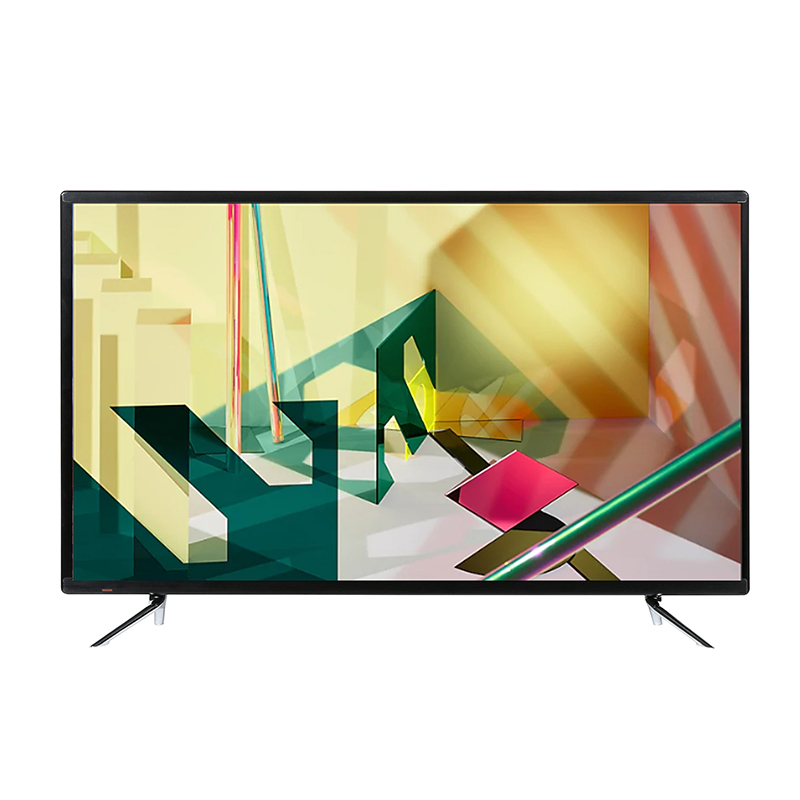 Fake TV for Staging: 42 vs 50 vs 55 vs 60 vs 70 (Which Size Looks Right?)
 Why UK Showroom Projects Often Fail at the Packaging Stage
 Why Display Consistency Breaks First in Multi-Store US Showroom
 The Power of Silence in Design | Why Display-Only Screens Define Professional Staging